This latest edition of the festival highlights feminine perspectives in cinema in all of their diversity and complexity. It redefines the
bonds between women and explores the violence they have endured and the resulting traumas : French cinema, more than ever before, gives
women a voice, examining their desires and their search for self, whilst highlighting their struggles and their strength.

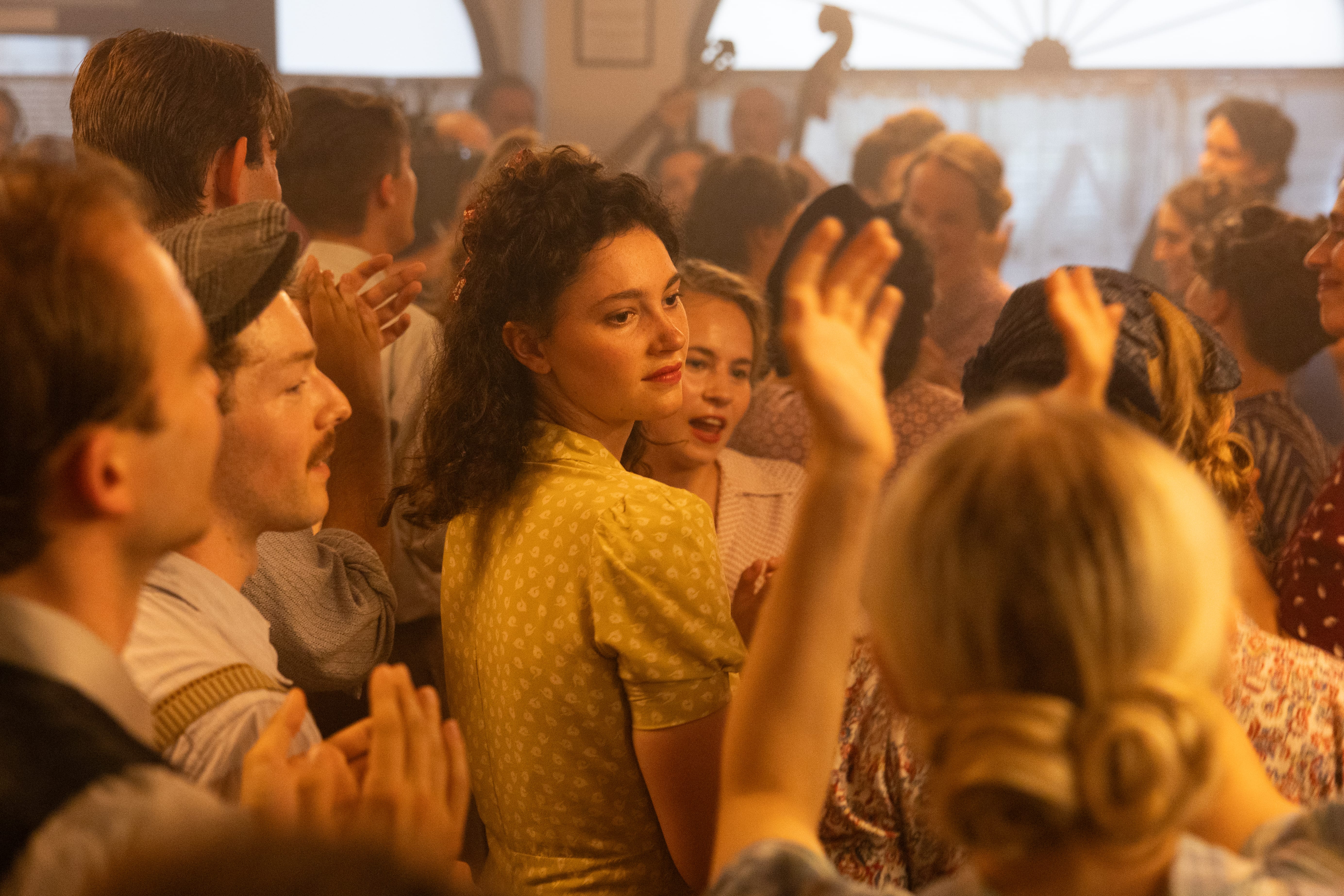
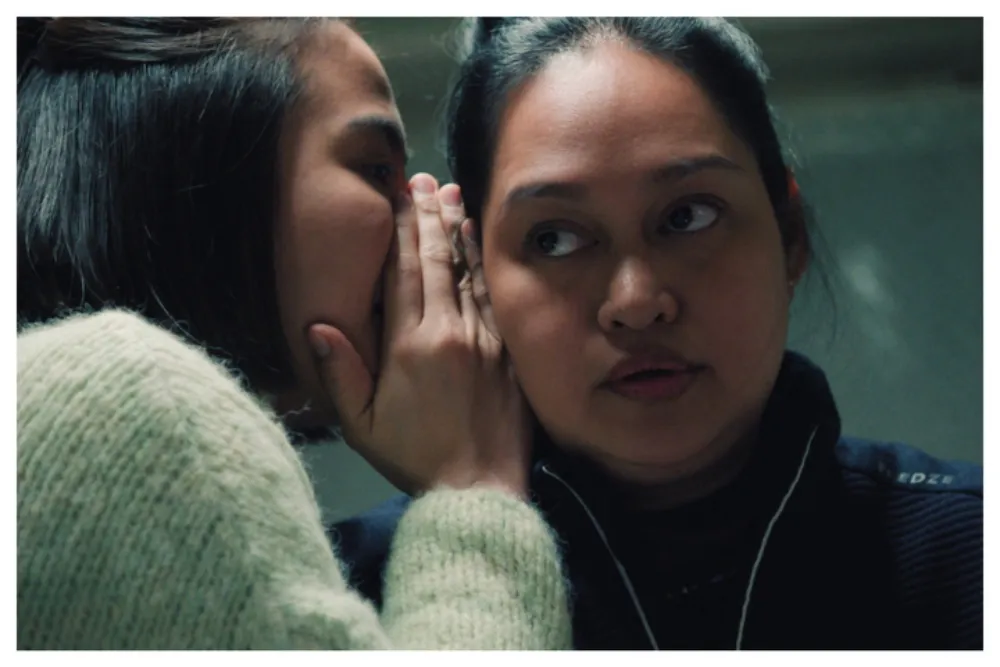
Silent Rebellion
Silent Rebellion,
directed by Marie-Elsa Sgualdo, starts with the rape of the young Emma, and turns her
story into a tale of emancipation and of powerless rebellion set in Switzerland during the Second World War. From this story of a
discreet yet steadfast feminism, of a struggle against a reality and injustices over which Emma has little control, emerges a film of
understated, genuine beauty, a stark reminder of past and future struggles.

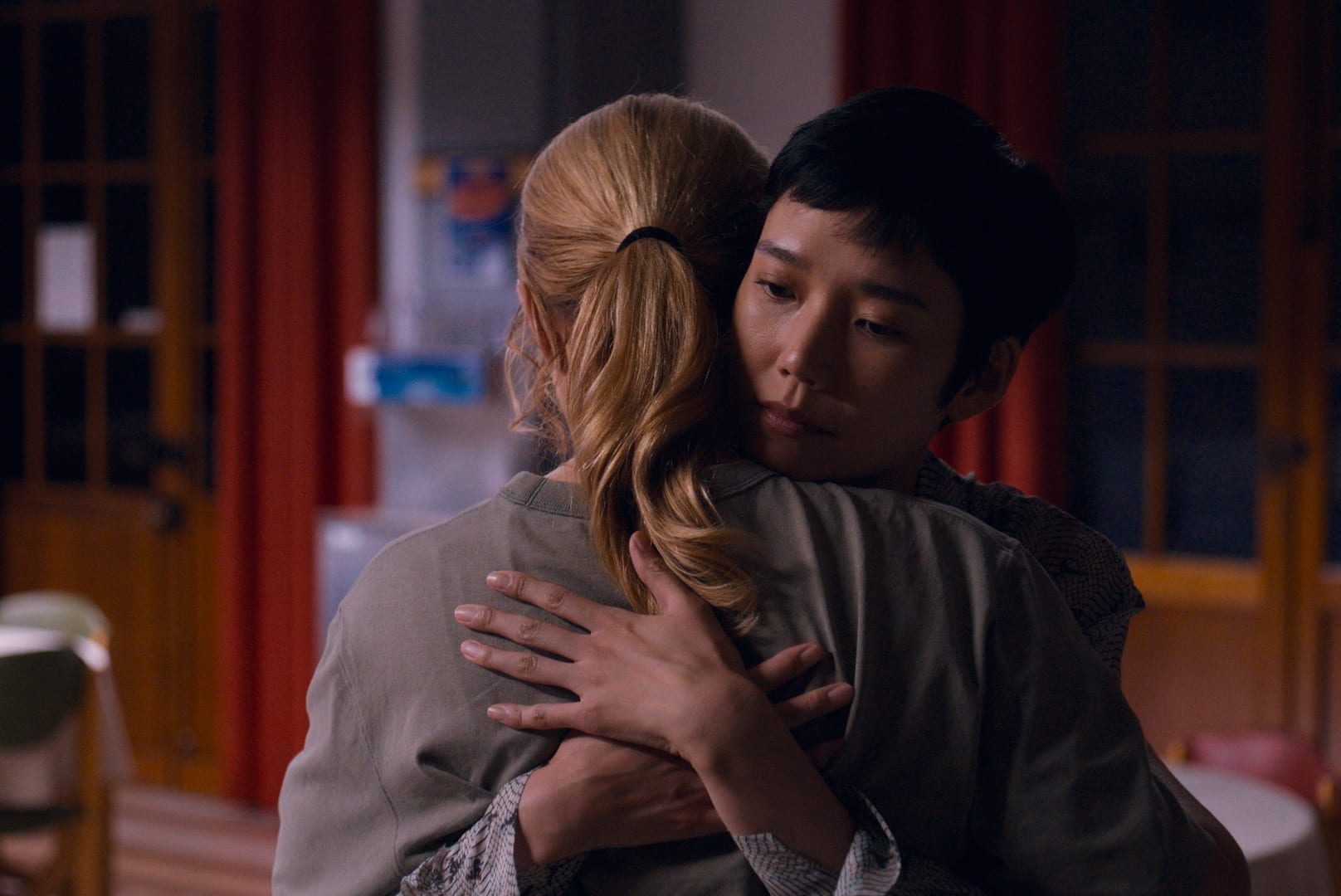
All
of a Sudden
The beauty of female friendships and sisterhood is also brought to the fore, notably with All
of a Sudden
by Japanese director Ryusuke Hamaguchi. Shot in French and Japanese, this deeply
moving film puts the friendship between Marie-Lou (Virginie Efira) and Mari
(Tao Okamoto)
at the centre stage. The result is a luminous film, full of hope, in which the harmony arising from the bond between these two women
cannot fail to move us.
Social and family rifts
Social dramas and family stories have long held a prominent place in French cinema : this 2026 edition reminds us of it, with a selection of
films tackling these subjects in a resolutely modern and innovative way.

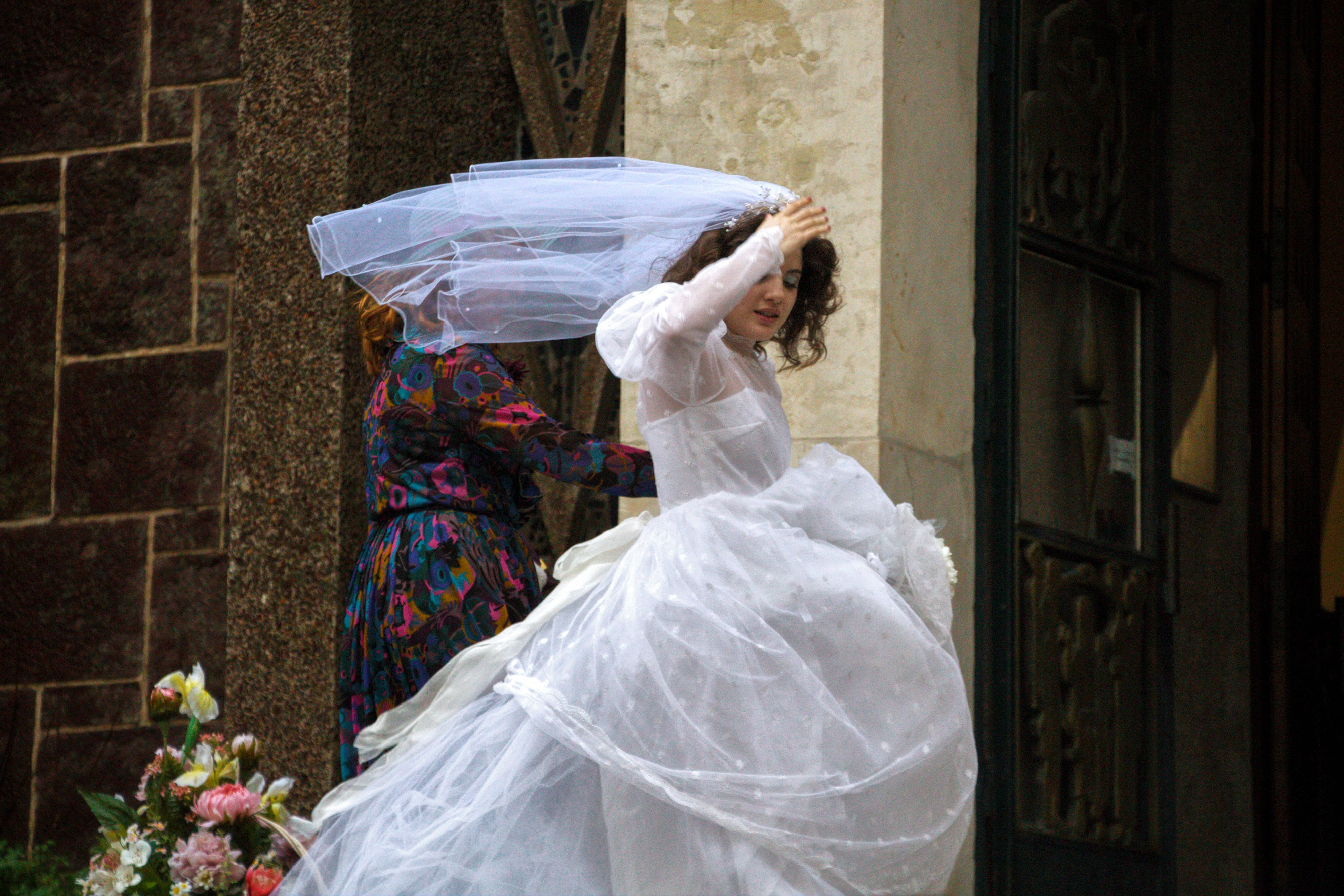
In Orange-Flavored
Wedding,
Christophe Honoré recounts a family episode, his uncle’s wedding in the 1970s:
we witness the reunion of the Puig family, the groom’s family, a loving and close-knit family, yet one rife with tensions and
dysfunctions. Alongside problems of unemployment are the traumas of veterans of the Algerian War, the psychological struggles of some, and
family tragedies. Yet, this film is, above all, about a happy memory: a wedding, the quintessential day of joy, and the taste of the
“Tang” drink, which the director had discovered that day and which gives the film its name. By capturing a specific, intimate
moment, the director brings to light the social and political problems, as well as the traumas, of an entire era. Nonetheless, far from
being a nostalgic film about a bygone era, emphasising a particular aesthetic of the 70s, it is rather about capturing a memory :
whilst the young Christophe, in the film, takes pictures of the moments as they unfold, the adult Christophe offers us a both frenetic and
tender film about it.
Orange
Flavoured Wedding

On a contemporary topic, Enjoy
your stay,
by Dominik Locher and Honeylyn Joy Alipio,
explores the issue of Filipino domestic workers in Europe, more specifically in Switzerland’s luxury ski resorts. The film, which
strongly resonates with the helpers’ situation in Hong Kong, stands out for its exhaustive documentation, highlighting the violences
these women face and their resilience when dealing with the problems and humiliations they endure on a daily basis. Luz, the main
character, emerges as a complex woman whom it is impossible to judge, given the immense moral dilemmas she faces, her personal needs, and
the selfishness and cruelty of others: she is the one lending the film all its intensity, power and accuracy.
Enjoy Your Stay
Historical narratives and literary classics
De Gaulle, Women on trial, Les Misérables, The Phantom of the Opera… : historical narratives and
adaptations of literary classics having shaped French cultural identity are returning to the forefront, bringing a breath of fresh air to
French history and culture.
De Gaulle,
divided into two parts, tells the masterful story of the man who transformed France’s destiny following Maréchal Pétain’s
capitulation to the Germans in 1940. We see a character who is more vulnerable than one might have imagined, regarded as mad by some,
followed by few, yet who goes on to impose his vision of France and the war on the British and Americans. This ambitious historical epic,
which was the French blockbuster of summer 2026, features a host of renowned actors – Simon Akarian,
Niels Schneider, Anamaria Vartolomei, Benoît Magimel, Mathieu Kassowitz…
– making this film a must-see in the festival’s line-up.
De Gaulle (I): Resistance
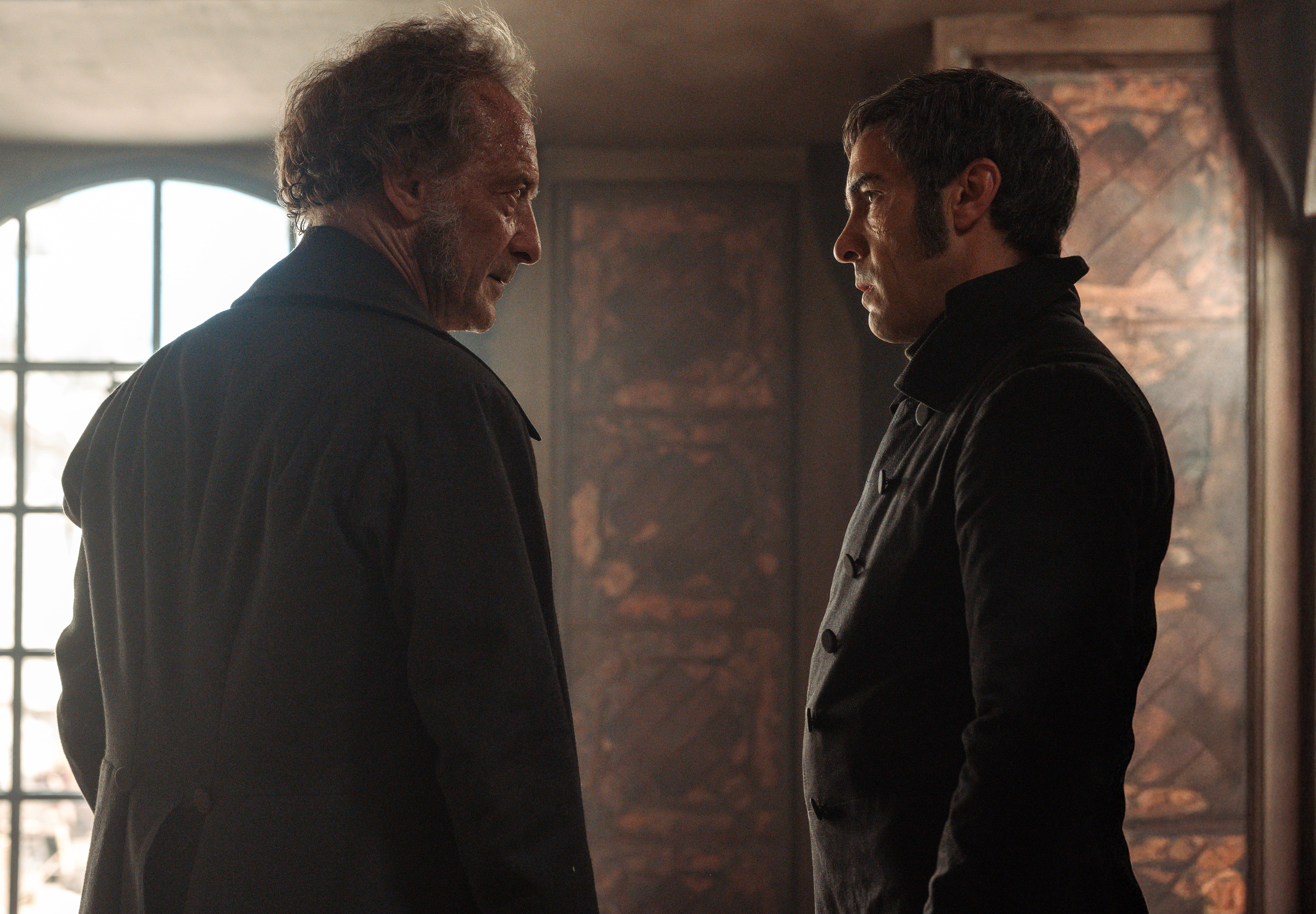
A classic of French literature which has already been adapted for the cinema
countless times, Les Misérables is
making a grand return to French cinema with a new version directed by Fred Cavayé.
With a hand-picked cast – Vincent Lindon, Camille Cottin, Benjamin Lavernhe, Tahar Rahim…
– the film draws us in and swepts us away in a whirlwind of emotions, images and sounds. This deeply moving new adaptation reminds
us of the timelessness of Victor Hugo’s novel, which hasn’t aged a bit and to which Fred Cavayé does full justice.
Les
Misérables
The Directors’ Fortnight Extended - La Quinzaine des Cinéastes
Established in 1969 as a parallel and independent selection alongside the Cannes Film
Festival, the Directors’ Fortnight quickly established itself as the
pre-eminent venue for discovering innovative and unique talents. Showcasing bold works from both France and other countries, the
Directors’ Fortnight is now recognised as an essential event in contemporary cinema:
it was with a view to introducing the Fortnight’s films to audiences from all around the world that The Fortnight Extended was
created, with editions in Tokyo, New York and Los Angeles. This year, the Hong Kong French Film Festival has the
honour of hosting The Fortnight Extended for the first time,
alongside its artistic director, Julien Rejl. This edition offers Hong Kong audiences the chance to discover a rich selection of films
screened at this year’s Fortnight, as well as to rediscover the classics that have shaped its history and reputation.
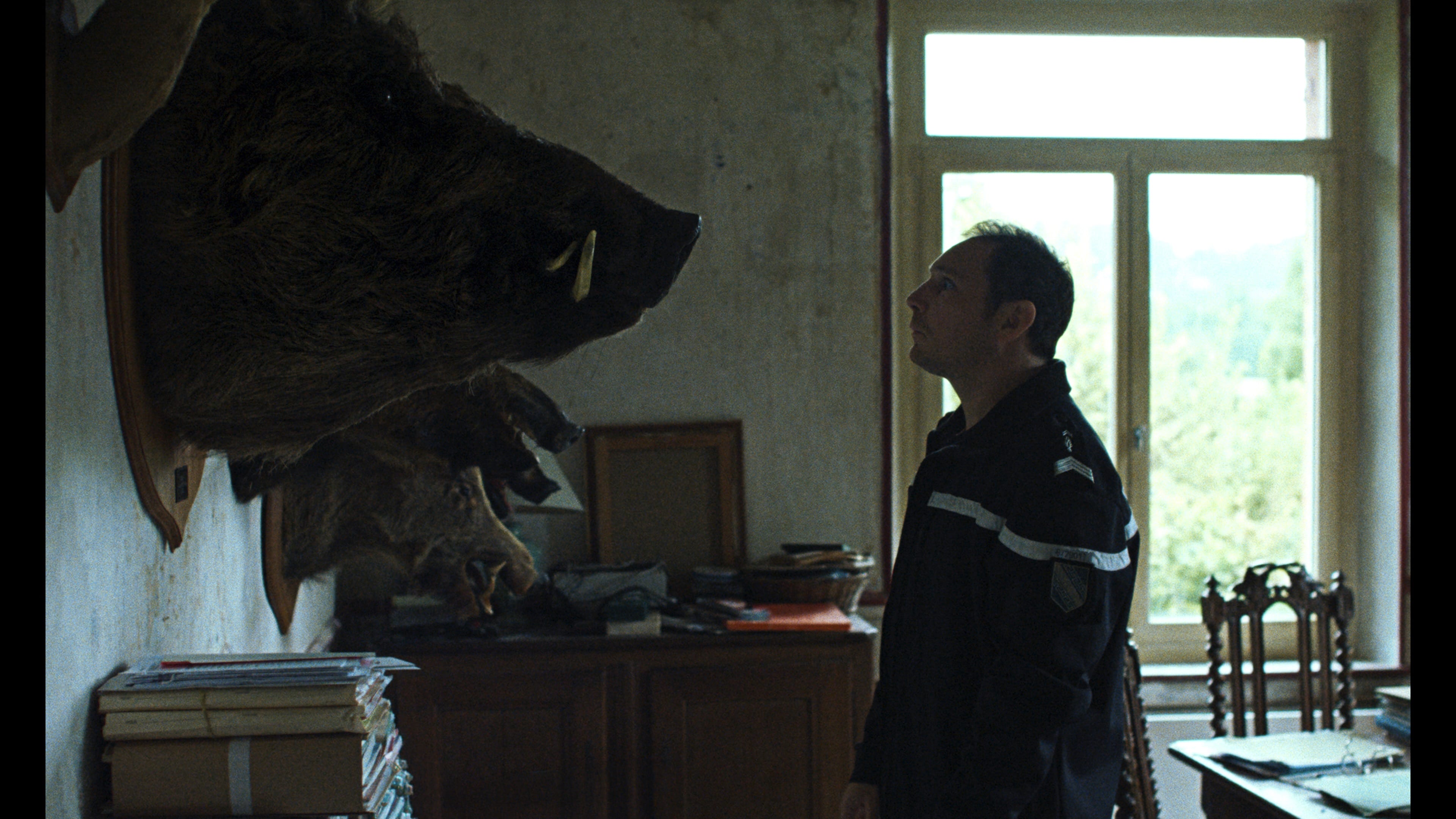
Too
Many Beasts
Sarah Arnold’s Too
Many Beasts
surprises us with its offbeat humour and ferocity: straddling the line between social drama and burlesque, the film is a social satire in
which each character finds itself on the brink of a nervous breakdown, loses it bearings, and becomes unable to control itself.
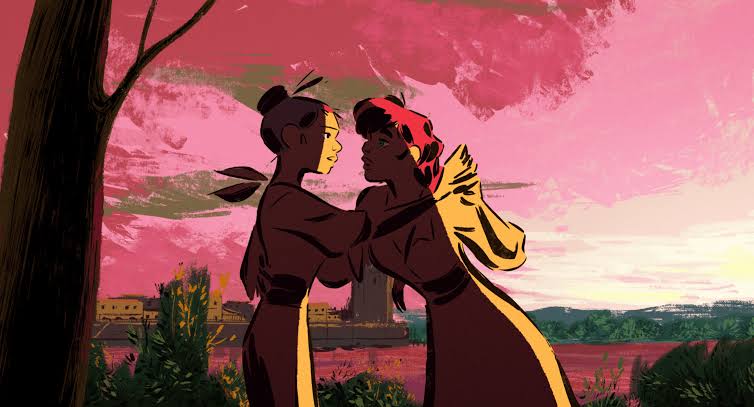
Viva Carmen
Viva Carmen,
an enchanting animated film by Sébastien Laudenbach, reinvents Prosper Mérimée’s short-story through an explosion of colours
and shapes which are as captivating as charming.
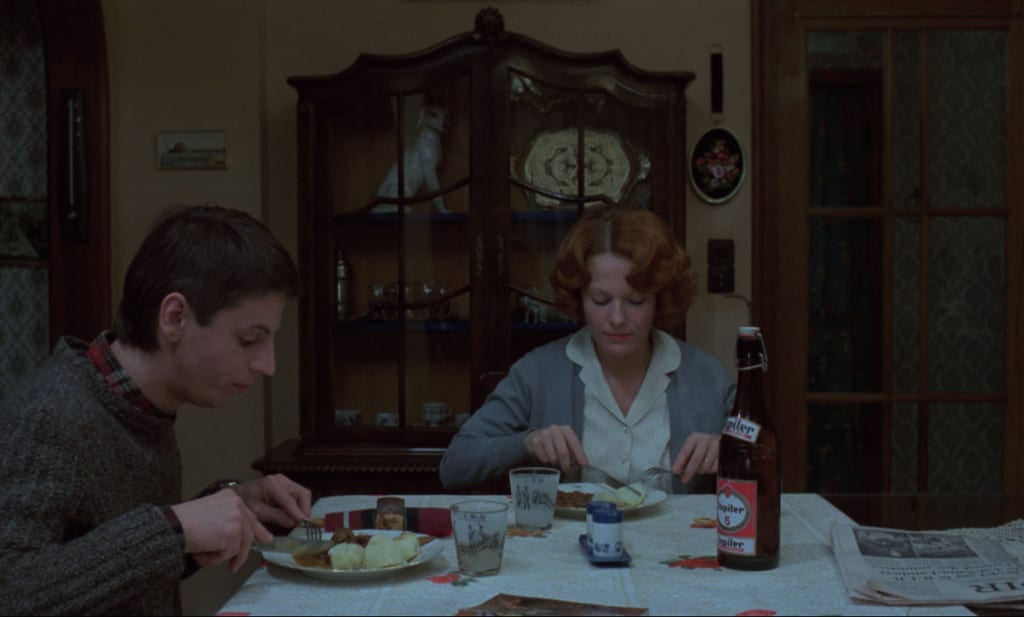
Jeanne Dielman, 23 Quai du
Commerce, 1080 Brussels
Finally, classics such as Chantal Akerman’s Jeanne
Dielman, 23 Quai du Commerce, 1080 Brussels
are making a comeback in Hong Kong cinemas: a meticulous portrayal of the alienation of everyday life, Jeanne Dielman has marked
cinema history through its singularity and its modern and feminine perspective. Still regarded today as one of the best films in cinema
history, it is a must-see in the Fortnight’s selection.



Leave a Comment / Laissez un commentaire